September 23, 2026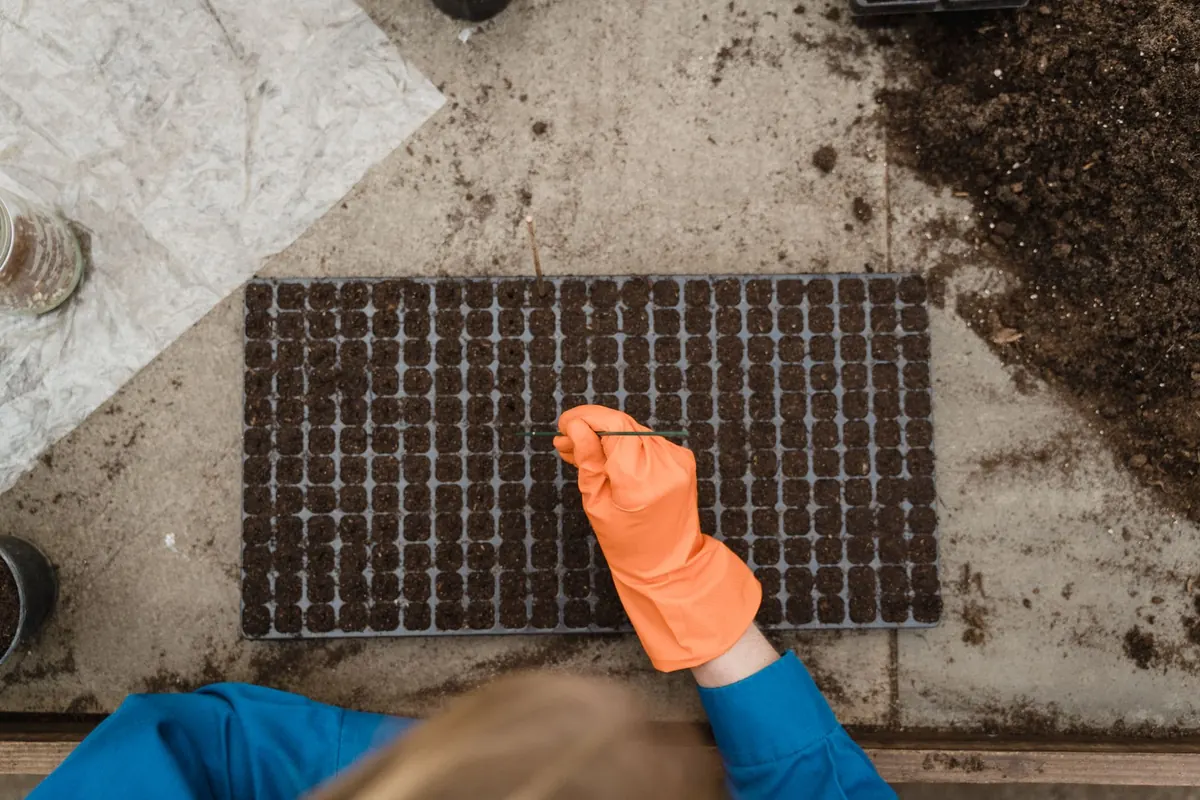
A kitchen garden that feeds you in February as reliably as it does in August rarely happens by luck. It happens because someone stood in the middle of July, looked at a gap left by bolting lettuce, and sowed a short row of carrots. Four-season growing is less about effort than rhythm: sowing small amounts often, knowing which crops want an indoor head start, and resisting the urge to sow everything on the first warm Saturday of spring.
What follows is a working checklist, month by month. Treat it as a framework rather than a rulebook, and shift everything to suit your own climate.
Three Dates to Pin Down First
Before you open a single seed packet, find out three things. Everything below hangs on them.
- Your average last spring frost date. Half-hardy crops go out after this, not before.
- Your average first autumn frost date. Count backwards from it to decide what still has time to mature.
- Days to maturity for each variety. This is on the packet, and it matters more than the calendar.
Your local garden centre, a neighbouring allotment holder, or a regional growing guide will give you the frost dates. Write them on the inside cover of a notebook you keep with your seeds. Then work backwards: a tomato needing 80 days from transplant should be started roughly ten to twelve weeks before you intend to plant it out.
January and February: Slow, Careful Starts
This is indoor work, done under lights or on the brightest windowsill you have. Onions and leeks are the priority — they need the longest season of anything you will grow, and a January sowing is what gives you decent bulbs rather than golf balls. Chillies and aubergines come next, sown in late January or February, because they are slow and sulky in cold conditions.
Tomatoes can wait until late February or March in most gardens; sow them too early and you will be nursing leggy plants through April. Parsley, chervil, and celery also appreciate an early start indoors. Sweet peas sown now, in deep pots, will be ready to plant out in spring.
If you garden in a mild area, direct sowing continues outdoors: broad beans, early peas under a cloche, and winter salads in a cold frame. Elsewhere, use these quiet weeks to test the germination of last year's leftover seed. Put ten seeds on damp kitchen paper, keep them warm, and count how many sprout. Below about seven out of ten, buy fresh.
March and April: The Busiest Sowing Window
Everything happens at once now, so work in batches rather than trying to do it all in one weekend.
Indoors: tomatoes, peppers, brassicas such as cabbage, kale, and broccoli in modules, plus lettuce and chard for transplanting. Brassicas do well started under cover and planted out young and sturdy — it gives them a head start against flea beetle and pigeons.
Direct, once the soil is workable: broad beans, peas, spinach, chard, radish, early carrots, beetroot, and parsnips. Parsnips need the whole season, so sow them early; old seed germinates poorly, so use a fresh packet. Onion sets and early potatoes go in as the ground dries.
A simple test beats a calendar here. Squeeze a handful of soil. If it clings together in a sticky ball, it is too wet to sow into — wait a week. If it crumbles, you are good to go. And take the time to harden off indoor-raised plants over a week or so before planting out, bringing them outside by day and back in at night.
May and June: Succession Sowing and Heat-Lovers
Once the last frost has passed, the tender crops go in: French and runner beans, sweetcorn, courgettes, cucumbers, squash, and basil. All of them hate cold soil, so there is nothing gained by rushing.
The real skill of these two months is repetition. Sow in small pinches, every two or three weeks, and you will eat steadily instead of drowning in a single glut.
- Lettuce and salad leaves — every two to three weeks, in partial shade as the heat builds.
- Radishes — a short row every fortnight keeps them small and crisp.
- Carrots — a metre of row every three weeks gives you baby roots through summer.
- Spinach, beetroot, and coriander — coriander bolts fast in heat, so sow it where it gets afternoon shade.
Keep thinning as you go. Crowded seedlings compete, and thinning is harvest, not waste — young beetroot leaves and thinnings make a decent salad.
July and August: Sowing for Autumn and Winter
This is the part most gardeners skip, and it is exactly what separates a summer garden from a four-season one. As the first sowings fade, the ground should not sit empty for a day.
- Kale, cavolo nero, winter cabbage, and purple sprouting broccoli for cutting through the cold months.
- Winter salad leaves: mizuna, rocket, mustard, corn salad, claytonia, and winter purslane.
- Turnips and kohlrabi, which mature quickly enough to finish before the cold sets in.
- Carrots and beetroot sown in July, which will stand in the ground into autumn.
- Spring cabbage and overwintering onions, sown late summer for planting out in early autumn.
Two things make late sowings work: water and slugs. Sow into moisture, keep the surface damp through the heat, and set out beer traps or night patrols. Whatever you sow now must reach a good size before growth slows, so give it every advantage.
September through December: The Long Harvest Side of the Year
September is a second spring for anyone with a cold frame or a polytunnel. Plant out spring cabbage and overwintering onions, sow hardy winter lettuce and spinach under cover, and put in garlic from October onwards.
Broad beans sown in November will sit quietly through winter and grow away early in spring — a gamble worth taking in mild areas, but safer left until February in cold ones. Empty beds deserve a green manure rather than bare soil: field beans or grazing rye will hold nutrients and structure until spring digging.
By November and December the sowing slows to a trickle. Sweet peas in deep pots under cover, microgreens and sprouting seeds on the kitchen windowsill, and the first onion and leek seeds of the new year started indoors after Christmas. The rest of the time goes to harvesting leeks, kale, parsnips, and anything still standing, and to ordering seed for the season ahead.
Keeping the Cycle Turning
None of this works if it lives only in your head. Keep a notebook with sowing dates, varieties, and a blunt note on what performed badly, and spend fifteen minutes each week walking the beds with a pencil and a packet of something. Fill every gap.
Buy fresh seed for alliums, parsnips, and spinach, which lose vigour quickly, and trust your own ground over any checklist. If a sowing fails, sow again — the calendar is long, and the garden rarely notices a gap unless you leave one.
Photo: Tima Miroshnichenko / Pexels